Brie soft ripened cheese vs Nature Valley Sweet & Salty Nut Cashew Chewy Granola Bars
Wondering which one to pick? We analyzed the nutritional profile, ingredients, and vegan status to help you decide.
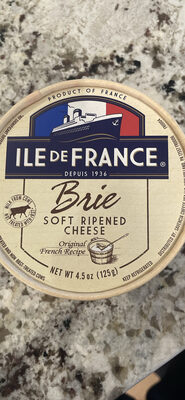
Brie soft ripened cheese
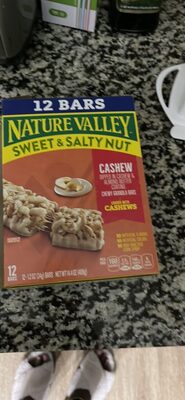
Nature Valley Sweet & Salty Nut Cashew Chewy Granola Bars
The Verdict: Which is Better?
When placing Brie soft ripened cheese and Nature Valley Sweet & Salty Nut Cashew Chewy Granola Bars side-by-side, the nutritional differences become quite clear. Both products cater to specific dietary needs, but picking the right one depends on whether you are prioritizing weight loss, muscle gain, or clean eating.
For calorie-conscious consumers, Brie soft ripened cheese is the clear winner. With 171 fewer calories per 100g than its competitor, it allows for more volume while keeping your energy intake in check.
In terms of sugar control, Brie soft ripened cheese takes the lead with only 0g of sugar per 100g, whereas Nature Valley Sweet & Salty Nut Cashew Chewy Granola Bars contains 26.5g. Lower sugar content is often linked to better metabolic health.
Looking to build muscle? Brie soft ripened cheese offers a protein boost with 20g per 100g, outperforming Nature Valley Sweet & Salty Nut Cashew Chewy Granola Bars in this category.
Frequently Asked Questions
Which is healthier: Brie soft ripened cheese or Nature Valley Sweet & Salty Nut Cashew Chewy Granola Bars?
Brie soft ripened cheese appears to be the healthier option generally, as it has less sugar and fewer calories.
Is Brie soft ripened cheese vegan?
No, Brie soft ripened cheese is not certified vegan.
What is the calorie difference between Brie soft ripened cheese and Nature Valley Sweet & Salty Nut Cashew Chewy Granola Bars?
There is a difference of 171 calories per 100g between the two products.