
Is Black Seed Oil Gluten-Free?
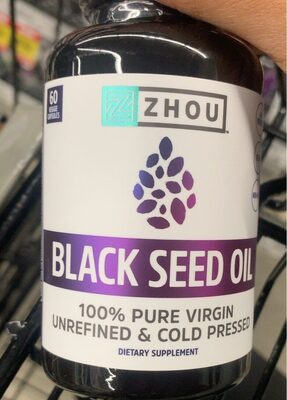
Yes, Black Seed Oil is gluten-free. Based on a detailed analysis of its ingredients—Black Cumin seed oil, Candelilla Wax, and Rosemary extract—this product contains no wheat, barley, rye, or hidden gluten derivatives. It is a safe supplement for those managing Celiac disease or gluten intolerance.
The Ingredient Breakdown
As a food scientist, I look past the marketing hype and go straight to the label. When determining if a supplement is gluten-free, the source of the oil and the excipients (fillers and binders) are the primary areas of concern. Here is the forensic breakdown of the ingredients provided for this Black Seed Oil.
First, we have Black Cumin (Nigella sativa) seed oil. This is the active ingredient. Nigella sativa is a flowering plant native to South Asia; it is botanically distinct from gluten-containing grains. There is zero biological possibility of this oil containing gluten proteins in its raw form.
Next, we see Candelilla Wax. Derived from the leaves of the Candelilla shrub, this is a plant-based wax often used to give softgels their structure. It is a natural, vegan alternative to beeswax and is inherently gluten-free.
The Rosemary leaf extract serves as a natural antioxidant to preserve the oil. Being a leaf extract, it poses no gluten risk. Finally, the Vegetable Cellulose is used to form the capsule itself. Cellulose is derived from plant fibers (like pine trees or cotton) and is a standard gluten-free excipient used widely in the supplement industry.
The Verdict: There are no red flags here. Every ingredient is plant-derived and naturally free of gluten. However, always remember that manufacturing practices vary. While these specific ingredients are clean, cross-contamination can occur in facilities that process wheat. If you have severe Celiac disease, look for a "Certified Gluten-Free" seal on the bottle.
Nutritional Value
Black Seed Oil is not a significant source of macronutrients like protein or carbohydrates. It is almost entirely composed of fats, which is where its health benefits lie. A typical serving (usually one softgel or a teaspoon of liquid) contains roughly 10 to 15 calories, derived almost exclusively from unsaturated fats.
From a dietary standpoint, this oil fits easily into almost any eating plan. It contains zero sugar, making it suitable for diabetics and those on ketogenic or low-carb diets. It is also naturally free of soy, dairy, and caffeine.
The fat profile is rich in linoleic acid and oleic acid. While it is calorie-dense by weight (about 120 calories per tablespoon), the serving sizes are small, so it won't break your daily caloric bank. It is a functional supplement rather than a food source, intended for its thymoquinone content rather than vitamin or mineral intake.
Frequently Asked Questions
Does Black Seed Oil contain dairy or gluten?
Is Black Seed Oil good for weight loss?
Where can I buy Black Seed Oil?
Is Black Seed Oil safe for kids?
Pro Tip
Always double-check the label. Manufacturers change ingredients frequently without notice!