
Is Mediterranean dressing Halal?
NO. Based on the ingredient label, this Mediterranean dressing is NOT Halal. The primary reason is the inclusion of red wine vinegar, which is derived from wine and contains trace amounts of alcohol. While other ingredients like feta cheese are permissible, the presence of wine vinegar renders the final product unsuitable for a Halal diet.
The Ingredient Breakdown
When determining if a processed food is Halal, we must look beyond the marketing and scrutinize the source of every ingredient. In this case, the verdict comes down to one specific ingredient: red wine vinegar.
Red wine vinegar is created by fermenting red wine into acetic acid. While the acidity is high, the process does not eliminate all traces of alcohol. In Islamic jurisprudence, the transformation of wine (which is strictly Haram) into vinegar is a subject of debate among scholars. However, most strict Halal certification standards require that the vinegar be derived from sources other than wine (such as apple cider or dates) to be considered safe. Because this product explicitly lists 'red wine vinegar,' it carries the impurity of the original source.
Additionally, we must look at the feta cheese. The label indicates it is made from 'cultured pasteurized milk.' While milk is Halal, the 'cultured' aspect usually involves enzymes. If these enzymes are animal-derived (specifically from non-Halal slaughtered animals), the cheese would be impermissible. Without a Halal certification symbol, we cannot verify the source of these enzymes, adding another layer of concern.
Finally, the preservatives potassium sorbate and sodium benzoate are synthetic and generally considered Halal. However, the combination of the unverified cheese enzymes and the definite presence of wine vinegar makes this product unsuitable for a Halal diet.
Nutritional Value
From a nutritional standpoint, this Mediterranean dressing is a calorie-dense condiment. A serving size of 2 tablespoons (30ml) contains approximately 100 calories, which is standard for oil-based dressings. The fat content is primarily derived from soybean oil and extra virgin olive oil, totaling 10g of fat per serving, with 1.5g being saturated fat.
Sugar is another component to watch. There are 2g of total sugars, with 2g listed as 'added sugars.' While this isn't an excessive amount compared to sweet dressings like raspberry vinaigrette, it contributes to the overall taste profile. The sodium content is quite high at 520mg per serving, which accounts for 23% of the daily recommended value. This is typical for savory dressings to balance the acidity of the vinegar. Overall, while it fits within a standard diet in moderation, it is not a 'low sodium' or 'low calorie' option.
Frequently Asked Questions
Does Mediterranean dressing contain dairy or gluten?
Is Mediterranean dressing good for weight loss?
Where can I buy Mediterranean dressing?
Is Mediterranean dressing safe for kids?
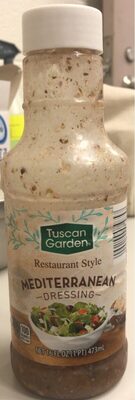
Mediterranean dressing
Halal Analysis
We recommend searching for certified Halal alternatives.
Pro Tip
Always double-check the label. Manufacturers change ingredients frequently without notice!