
Is Organic Plant Protein Halal?
The short answer is: MAYBE. This organic plant protein powder appears to be a clean, plant-based formula on the surface, containing no pork, alcohol, or obvious animal by-products. However, the presence of a specific 'Digestive Enzyme Blend' introduces a potential gray area that requires careful scrutiny for Halal compliance. Let's break down the ingredients to see exactly where the potential risks lie.
The Ingredient Breakdown
When evaluating a product like this for Halal standards, we look for three main red flags: pork derivatives, alcohol, and non-Halal animal enzymes. Starting with the base ingredients, this formula is exceptionally clean. You have a robust blend of Organic Pea Protein, Organic Pumpkin Seed Protein, and Organic Quinoa. These are all plant-derived sources of protein and are inherently Halal. Similarly, the sweeteners—Organic Coconut Sugar and Organic Stevia Extract—are safe.
The potential issue lies in the Digestive Enzyme Blend. This blend contains Proteases, Lipase, and Cellulase. Enzymes are often harvested from animal or fungal sources. For example, some Proteases are derived from porcine (pork) sources, which are strictly Haram. While many modern enzymes are derived from fungal or bacterial fermentation (which is Halal), the label does not specify the source. Therefore, without a specific 'Halal Certified' stamp on the bottle, the enzyme blend remains the single biggest flag.
Finally, we must look at the KOS Vitamins and Minerals Blend. This contains DL-Alpha Tocopherol (Vitamin E) and Cyanocobalamin (Vitamin B12). While these are synthetic vitamins, they are generally considered Halal. However, Cyanocobalamin is sometimes synthesized using bacterial fermentation that can utilize trace alcohol in the process, though the final product is alcohol-free. Again, certification is the only way to be 100% certain.
Nutritional Value
From a nutritional standpoint, this Organic Plant Protein is quite impressive. It offers a diverse amino acid profile thanks to the combination of pea, pumpkin, quinoa, and chia seeds. The inclusion of Organic Inulin and Organic Acacia Gum provides prebiotic fiber, which supports gut health and digestion—especially useful when taking digestive enzymes.
In terms of calories and sugar, the use of Organic Coconut Sugar and Organic Monk Fruit Extract keeps the glycemic impact relatively low compared to standard whey proteins loaded with cane sugar. However, coconut sugar is still a sugar, so if you are strictly monitoring caloric intake for weight loss, you should account for these carbohydrates. The fat content is primarily healthy fats from Organic Flax Seed and Organic Chia Seed, which are excellent sources of Omega-3 fatty acids.
Frequently Asked Questions
Does Organic Plant Protein contain dairy or gluten?
Is Organic Plant Protein good for weight loss?
Where can I buy Organic Plant Protein?
Is Organic Plant Protein safe for kids?

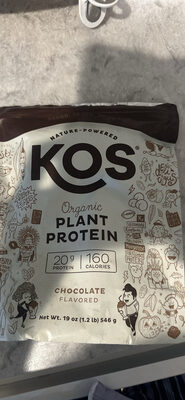
Organic Plant Protein
Halal Analysis
We recommend searching for certified Halal alternatives.
Pro Tip
Always double-check the label. Manufacturers change ingredients frequently without notice!